Peacekeeping Renewals in November: What the Council Weighed for MINUSCA and UNISFA on Troop Ceilings and Benchmarks
Key takeaways
- MINUSCA mandate extension: The Security Council unanimously adopted resolution 2836 on 12 November to extend the MINUSCA mandate until 15 November 2027 (securitycouncilreport.org).
- UNISFA conditional progress: The draft resolution set out five benchmarks to guide the eventual transition or exit of the UNISFA mission in Abyei (securitycouncilreport.org).
- Troop ceiling debates: Negotiations for MINUSCA involved competing requests for authorized strength, ranging from 11,000 to 14,046 personnel (securitycouncilreport.org).
- Security risks: The Secretary-General assessed that any drawdown in Abyei would create an immediate vacuum in protection, security, and accountability (securitycouncilreport.org).
On 12 November 2026, the United Nations Security Council unanimously adopted resolution 2836, which extends the mandate of the Multidimensional Integrated Stabilization Mission in the Central African Republic (MINUSCA) until 15 November 2027 (securitycouncilreport.org). This decision follows intensive negotiations held by the penholder, France, on 29 October and 4 November regarding the mission's future composition and operational requirements (securitycouncilreport.org).
The mechanics of troop ceilings and mandates
When the Security Council deliberates on peacekeeping renewals, the primary lever of control is the authorized troop ceiling. This ceiling dictates the maximum number of military and police personnel a mission can deploy. For MINUSCA, the debate in November 2026 centered on balancing operational necessity against the desire for a structured drawdown (securitycouncilreport.org).
The mechanism for determining these numbers relies heavily on reports from the Secretary-General. In the case of MINUSCA, a 15 September report suggested that the transition and drawdown should be contingent on specific conditions (securitycouncilreport.org). This was followed by an 13 October report that recommended increasing the deployment to approximately 12,000 personnel to meet operational requirements (securitycouncilreport.org). However, the penholder proposed a reduction of the authorized strength from 14,046 to 12,000 personnel (securitycouncilreport.org). The United States requested a ceiling of 11,000, which aligned with the earlier 15 September recommendation (securitycouncilreport.org).
These debates reflect a broader tension in peacekeeping governance. On one hand, there is the requirement to maintain sufficient force to protect civilians and maintain stability. On the other, there is a push to reduce the footprint of missions as they transition toward national responsibility. For companies with operations in the Central African Republic, these fluctuations in troop ceilings directly impact the security environment and the reliability of local stability indicators (securitycouncilreport.org).
Why the parties disagree on MINUSCA's composition
The disagreement between the penholder and various Council members, such as the United States, reflects different philosophies on peacekeeping efficiency and security sector reform (SSR) (securitycouncilreport.org).
The penholder's position, represented by France, focused on a controlled reduction toward 12,000 personnel while introducing a pilot implementation of the garrison army model for SSR (securitycouncilreport.org). This suggests a preference for testing specific structural models of security before a full withdrawal. Conversely, the United States' request for an 11,000 troop ceiling suggests a more aggressive approach to drawdown, prioritizing the 15 September report's findings (securitycouncilreport.org).
Another point of contention involved the legal language regarding accountability. The final draft resolution replaced an explicit reference to the International Criminal Court (ICC) with the phrase "international courts to which CAR is a party" (securitycouncilreport.org). This change in nomenclature can alter the perceived legal framework for international justice and compliance within the mission's area of operations (securitycouncilreport.org).
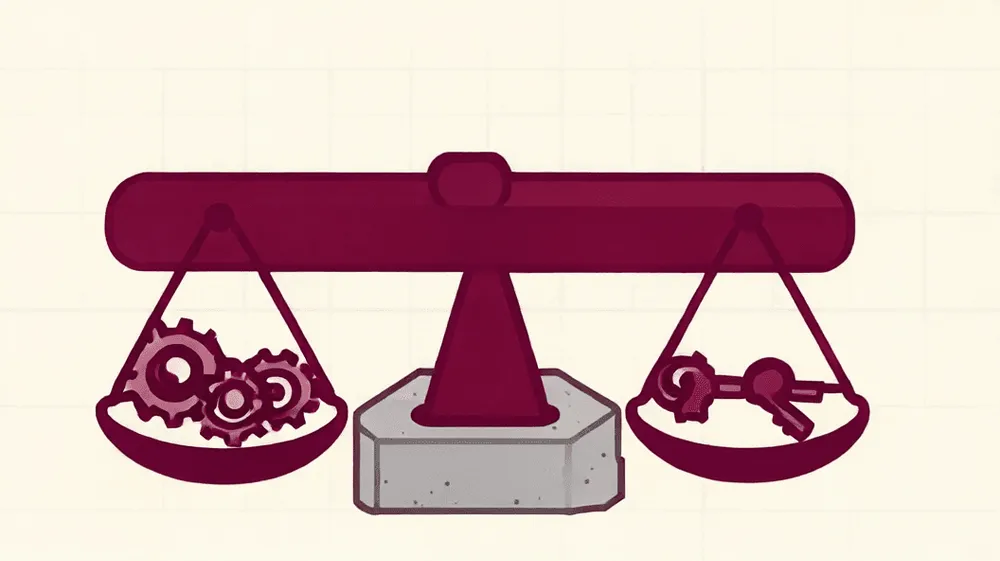
The tension between maintaining high troop ceilings for immediate protection and reducing them to encourage national security sector reform is a central conflict in modern peacekeeping mandates.
Why It Matters
Analyzing the UNISFA benchmarks and Abyei stability
While the MINUSCA renewal focused on troop numbers, the renewal of the United Nations Interim Security Force for Abyei (UNISFA) focused on benchmarks. The Council's approach to UNISFA involves setting specific milestones that must be met before a mission can be reconfigured or withdrawn (securitycouncilreport.org).
The draft resolution set out five benchmarks to guide progress toward an eventual transition or exit (securitycouncilreport.org). These benchmarks include:
- The withdrawal of unauthorized forces (securitycouncilreport.org).
- The resumption of Joint Political and Security Mechanism (JPSM) meetings (securitycouncilreport.org).
- The establishment of the Abyei Police Service (securitycouncilreport.org).
- The issuance of visas for UNISFA police (securitycouncilreport.org).
- The appointment of a civilian Deputy Head of Mission (securitycouncilreport.org).
The "zero draft" of the resolution initially sought to include negotiations on the final status of Abyei as a sixth area of progress, but this was not included in the final version (securitycouncilreport.org). The penholder's revised draft retained a requirement for "demonstrable progress" against these benchmarks but added considerations for ground conditions and civilian protection (securitycouncilreport.org).
Analysis: The use of benchmarks represents a shift from "presence-based" peacekeeping to "outcome-based" peacekeeping. For entities with supply chain exposure or assets in the Abyei region, the benchmarks provide a roadmap of expected stability. However, the Secretary-General's report noted that there has been little progress on demilitarisation or policing and administration, suggesting a significant gap between the Council's expectations and the reality on the ground (securitycouncilreport.org).
Comparing the two mandates: MINUSCA vs. UNISFA
The two renewals in November 2026 demonstrate different strategic priorities for the Security Council. MINUSCA's renewal is characterized by debates over numerical ceilings and the implementation of SSR models, whereas UNISFA's renewal is defined by a rigid set of benchmarks intended to trigger a transition (securitycouncilreport.org) (securitycouncilreport.org).
| Feature | MINUSCA (CAR) | UNISFA (Abyei) |
|---|---|---|
| Primary Focus | Troop ceiling and SSR models (securitycouncilreport.org) | Benchmarks for transition/exit (securitycouncilreport.org) |
| Key Numerical Target | 12,000 personnel (proposed) (securitycouncilreport.org) | 3,250 troops and 640 police (securitycouncilreport.org) |
| Status of Progress | Focus on garrison army pilot (securitycouncilreport.org) | Little progress on demilitarisation (securitycouncilreport.org) |
| Major Security Risk | Transition/drawdown conditions (securitycouncilreport.org) | Security/accountability vacuum (securitycouncilreport.org) |
The risks of mission reconfiguration and withdrawal
The decision to move toward a drawdown or reconfiguration is not merely a budgetary concern; it is a security concern. In Abyei, the Secretary-General assessed that any drawdown would create an immediate vacuum regarding protection, security, and accountability (securitycouncilreport.org).
The volatility of the region is evidenced by recent violence. On 15 September 2026, violence at the Amiet Common Market resulted in at least 26 deaths and 82 injuries (securitycouncilreport.org). This was followed by an incident on 19 October 2026, where drone strikes hit the same market, killing over 150 people (securitycouncilreport.org). These events highlight the high stakes of the benchmarks. If the benchmarks for demilitarisation and the withdrawal of unauthorized forces (such as the RSF and SSPDF) are not met, the mission remains in a state of high-risk stasis (securitycouncilreport.org) (securitycouncilreport.org).
For businesses and international organizations, the "benchmark" approach creates a dual-layered risk profile. While benchmarks provide a sense of direction, the lack of progress toward them, as noted by the Secretary-General, indicates that the underlying instability remains unresolved (securitycouncilreport.org). This can lead to sudden shifts in the security landscape if a mission is forced to reconfigure or withdraw prematurely (securitycouncilreport.org).
What to watch next
The effectiveness of these mandates will be measured by the reporting cycles established in the resolutions. For executives monitoring regional stability, the following dates and decision points are critical:
- 15 May 2027: The first required written report for the UNISFA mandate, which will provide an assessment of progress against the established benchmarks (securitycouncilreport.org).
- 15 October 2027: The second written report for UNISFA, which will include an assessment of the security implications of potential mission withdrawal or reconfiguration (securitycouncilreport.org).
- Ongoing 2027: The implementation of the garrison army model pilot in the Central African Republic, which will determine the feasibility of future MINUSCA drawdowns (securitycouncilreport.org).
The primary indicator for the Abyei region will be the "demonstrable progress" reported in the May 2027 update. If the withdrawal of unauthorized forces and the establishment of the Abyei Police Service fail to materialize, the likelihood of a "security and accountability vacuum" increases (securitycouncilreport.org) (securitycouncilreport.org). In the Central African Republic, the focus remains on whether the reduction in troop ceilings to 12,000 or 11,000 can be reconciled with the operational requirements for civilian protection (securitycouncilreport.org).